Services
SERVICES
SOLUTIONS
TECHNOLOGIES
Industries
Insights
TRENDING TOPICS
INDUSTRY-RELATED TOPICS
OUR EXPERTS
February 26, 2026
Conventional cameras capture visible light to produce high-resolution 2D images or video streams. Artificial intelligence systems then process this visual data with computer vision algorithms to identify objects like vehicles or pedestrians, detect lane markings, read traffic signs, and recognize the color of traffic lights. Self-driving vehicles often rely on stereo cameras which use two spatially separated sensors to estimate object distance based on image disparity for superior spatial awareness. Infrared cameras are also commonly used in autonomous vehicles as they’re less susceptible to poor weather or lighting conditions than traditional cameras and can detect pedestrians or animals even in complete darkness.
Affordable and particularly effective for object detection and recognition, including traffic lights and road signs
Not effective for depth estimation
Light Detection and Ranging systems continuously emit rapid laser pulses and measure the time for the light to return after reflecting off surrounding vehicles, pedestrians, or other obstacles to estimate their distance. They can also measure the speed of these objects based on the change in frequency of the reflected light (Doppler effect). To ensure a 360-degree field of view, these devices can be mounted on a rotating pod or use multiple emitters. Based on the collected spatial data, lidar systems generate highly accurate 3D maps of the environment in real-time, usually called point clouds. AI-powered software can then analyze these detailed 3D models to recognize object shapes and classify the detected objects. This makes lidar technology a core component of Advanced Driver Assistance Systems (ADAS).
Excellent accuracy, even in low-light conditions
Typically expensive and performance can be affected by heavy rain, dust, and smoke as these can scatter the light
Radio detection and ranging systems use a similar approach to lidar technology, but rely on the bouncing of radio waves rather than laser light to detect objects in the vehicle’s surroundings and measure the distance and speed of these objects. Furthermore, radar systems typically generate 2D images rather than 3D maps. Due to their relatively long range, they’re very useful for autonomous driving features like adaptive cruise control and automated emergency braking.
Inexpensive, with a long range, resilient to adverse weather conditions
Relatively low object detection accuracy, making it difficult to distinguish small or closely spaced objects
Ultrasonic sensors serve as a short-range counterpart to radar, using high-frequency sound waves instead of radio waves to detect nearby objects with excellent accuracy. This capability, combined with their affordable price, makes them ideal as parking sensors and a key feature in newer car models.
Extremely accurate at close range, rather reliable in adverse weather conditions, and usually the cheapest sensor type
Poor detection range
The Global Positioning System is the most widely used global navigation satellite system (GNSS). In self-driving vehicles, GPS devices can determine the vehicle’s exact coordinates and speed, which are essential for path planning and navigation.
Global, real-time vehicle positioning requiring no local infrastructure
Vehicle position accuracy affected by tunnels and dense urban areas or “urban canyons” due to limited satellite visibility
Inertial measurement units (IMUs) leverage gyroscopes and accelerometers to measure the vehicle’s speed, direction of motion, and acceleration. Self-driving vehicles can use these devices for a navigation method called “dead reckoning”, calculating the vehicle’s current position based on previously determined location data (typically via GPS) and IMUs’ estimates. This proves essential in GPS-denied environments, such as when the vehicle enters a tunnel or parking garage, enabling relatively accurate positioning and navigation even when satellite signal is lost.
Affordable and crucial for dealing with GPS signal loss
Prone to drift (an accumulation of small errors in measurement) over time, which progressively reduces the accuracy of the estimated position
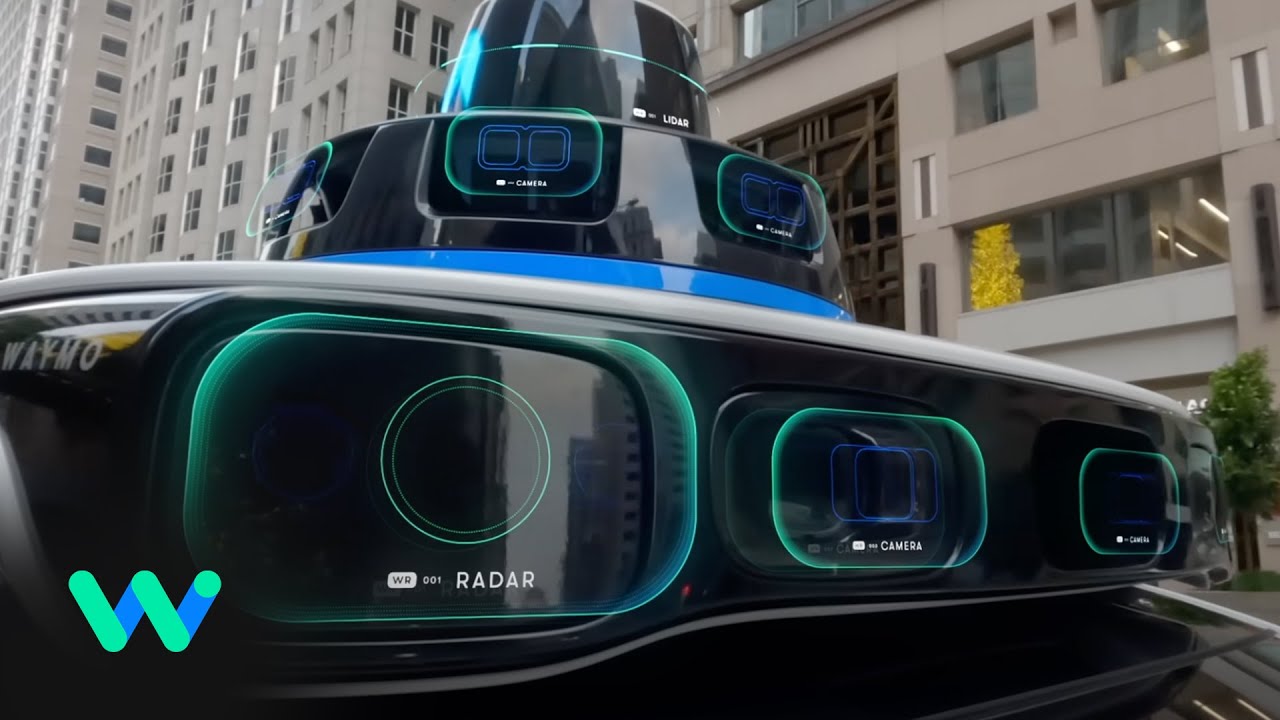
Launched in 2020, Waymo's robotaxi ride-hailing service was the first to operate without a backup human driver on board. Waymo’s Level 4 fully autonomous driving system, called Waymo Driver, uses machine learning-powered software to process real-time data from radar, lidar, and camera sensors, combined with prebuilt custom maps of the service area. In fact, despite their high level of autonomy, Waymo's robotaxis serve customers only in controlled, geofenced environments, which have progressively expanded over the years.
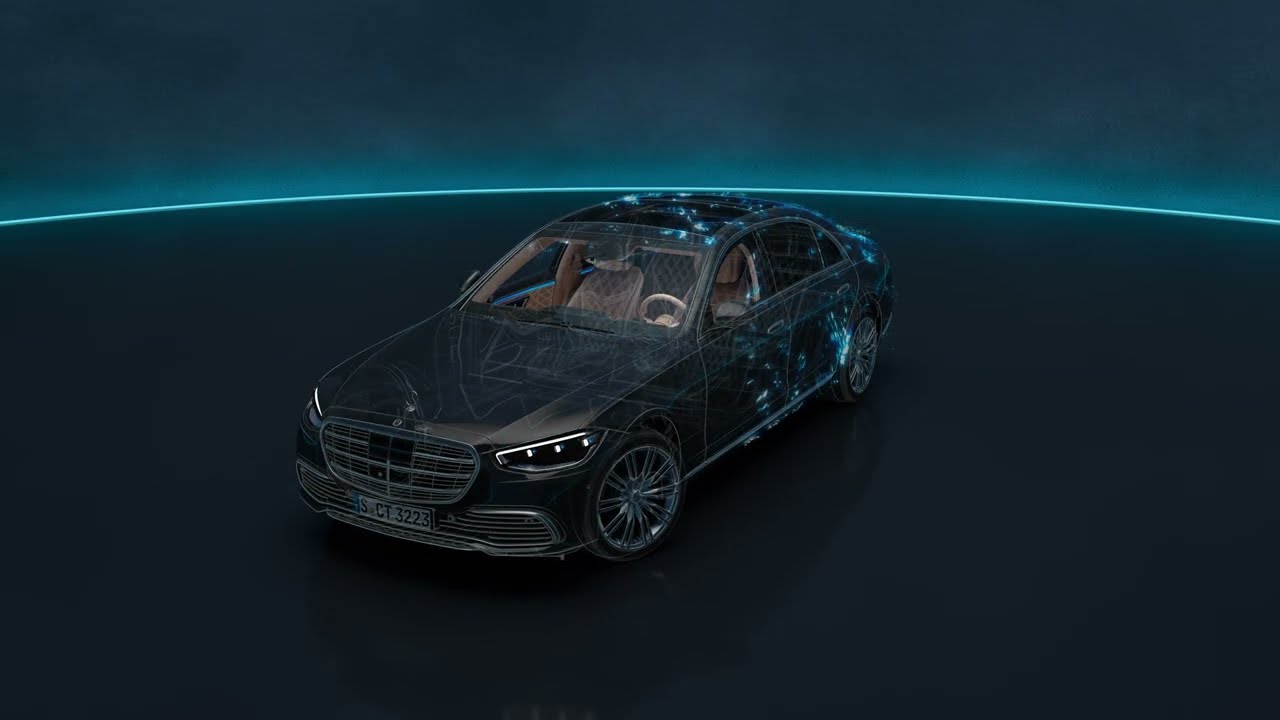
Mercedes’ luxury saloon car ranges feature a proprietary Level 3 automated driving system named DRIVE PILOT, which allows drivers to take their hands off the steering wheel and even watch a movie, but requires them to take control when requested. The system relies on multiple sensors, including cameras, radar, lidar, and ultrasonic sensors, to monitor the driving surroundings and make informed decisions autonomously.
While its name suggests complete autonomy, Tesla's Full Self-Driving technology is currently classified as a Level 2 automated driving system, meaning the driver should constantly monitor the road and be ready to take control immediately. That said, the system can still perform most driving maneuvers with high accuracy, including route navigation, steering, and lane changes. To unlock these capabilities, Tesla opted for an unusual, vision-based approach, relying entirely on cameras rather than lidar, radar, and ultrasonic sensors.
Challenge | Solution | |
|---|---|---|
Adverse environmental conditions |
Low-light scenarios and adverse weather conditions like rain and fog can negatively affect the accuracy of
key sensors used in autonomous driving.
| At the system design level, this challenge is commonly mitigated with the sensor fusion approach. This means building autonomous driving systems that process data from multiple types of sensors and other devices within automotive IoT systems to ensure a more accurate representation of the driving environment, even when a specific sensor performs poorly. Additionally, at the AI model level, companies can opt for data augmentation for model training. By generating modified versions of existing data (different illumination, rotations, etc.), software engineers create larger and more diverse datasets for AI model training, making it more effective at handling suboptimal real-world conditions. |
Blind spots |
Physical obstacles, such as buildings, large trucks, or even tunnels can block the line of sight of on-board
sensors, limiting driverless vehicles’ situational awareness.
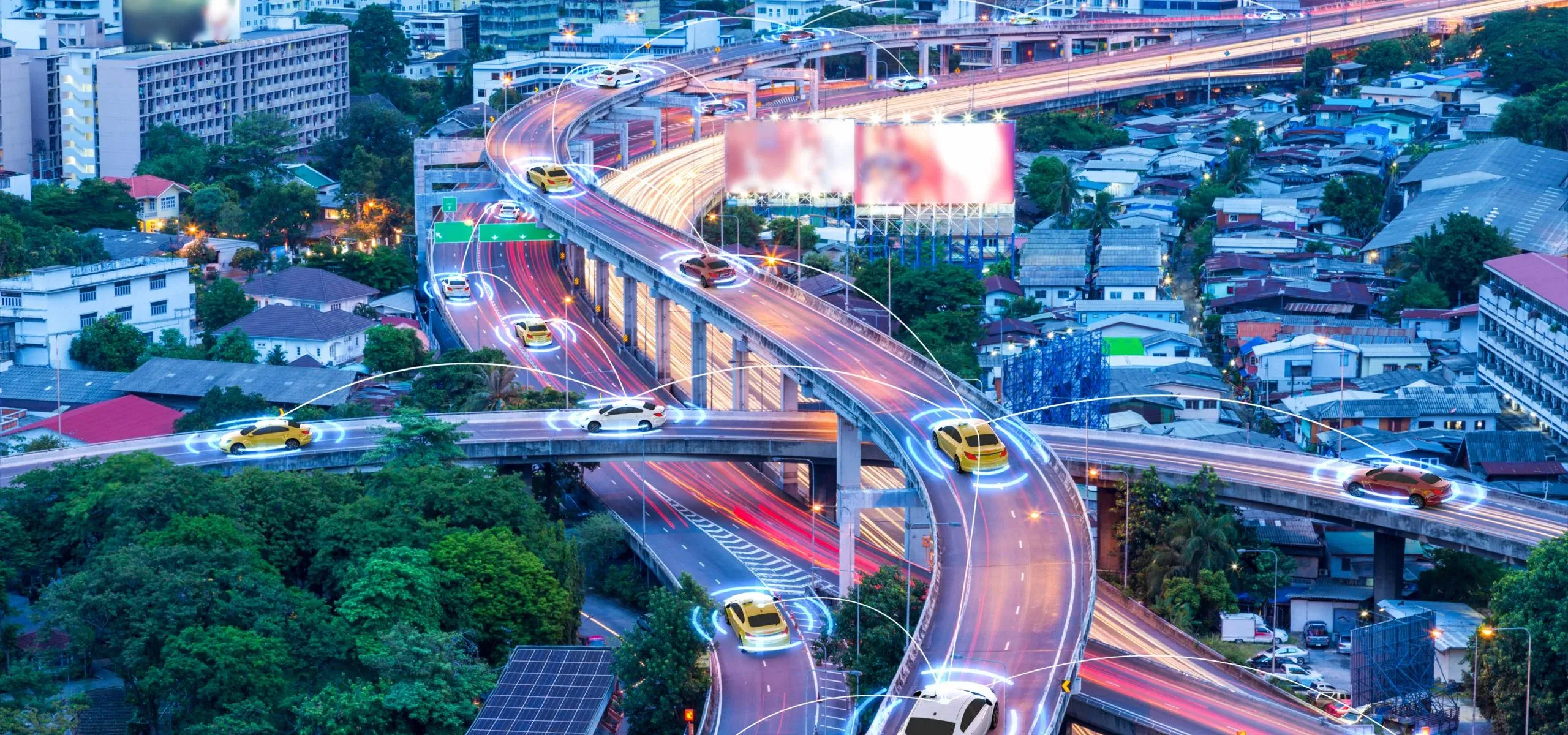
| For specific tasks, such as positioning, IMU-enabled dead reckoning can help automated vehicles navigate within enclosed spaces. In most other cases, Vehicle-to-Everything or V2X communication systems can be a good solution to address blind spots. This technology requires developing robust communication interfaces, data validation mechanisms, and decision-making logic to enable self-driving cars to exchange real-time data with other vehicles and infrastructures in the surroundings, extending situational awareness beyond their sensors’ line of sight. |
Implementation costs |
Despite sensors’ decreasing cost, some of the most effective ones, such as lidars, are still quite
expensive.
| Prioritize the sensors that best match the vehicle’s operating conditions, usually referred to as “operational design domain”. For instance, long-range forward-facing radars can be particularly useful for a highway pilot system, while 360-degree high-resolution cameras with object recognition capabilities are essential in low-speed, high-density urban environments where robotaxis typically operate. Another option is to leverage sensor fusion, combining the strengths of multiple relatively cheap sensors instead of relying on more expensive devices. |
Itransition provides a comprehensive suite of AI services to support car manufacturers in developing advanced autonomous vehicle software, customized to their unique requirements and the specific challenges of the automotive industry.
We provide expert guidance through every stage of your AI project for seamless software delivery, assisting with business case development, AI readiness assessment, AI strategy development, and solution adoption.
Our team builds automotive software solutions powered by AI algorithms that combine excellent performance and strict regulatory compliance, taking care of front-end and back-end development, integration, rollout, and user onboarding.
While semi-autonomous driving features such as ADAS have long been an integral part of many drivers' daily routines, the most advanced forms of driving automation remain limited or are still largely within the research phase. Progress, however, has been made thanks to advances in both sensor technology and artificial intelligence software. In fact, recent statistics are rather promising, with crash rate benchmarks proving that self-driving vehicles like Waymo's robotaxis can outperform the average human driver.
This gradual increase in performance could help overcome a major barrier to large-scale adoption, convincing a still highly skeptical public that self-driving cars aren't more dangerous than any other traditional vehicle. Changing this perception will take time. In the meantime, automakers can focus on the technical challenges of implementing autonomous driving technology, potentially with support from an experienced IT partner like Itransition.
The operation of self-driving vehicles follows a continuous cycle of perception, planning, and control, with each step handled by a specific architectural component: :
Key trends in self-driving vehicle technology that we can expect in the coming years include:
The most popular classification system for autonomous driving, developed by the Society of Automotive Engineers (SAE), focuses on the role of the driver:
Service
Explore our computer vision consulting and development services, along with top branches, use cases, adoption guidelines, tech stack, and benefits.
Insights
Explore key use cases, payoffs, trends, and real-life examples of AI in transportation, along with best practices to address common adoption challenges.
Insights
We explore IoT applications in the automotive industry, describe the most prominent real-life examples, and explain the architecture of connected cars.
Case study
Find out how Itransition migrated a BI suite to the cloud and delivered brand-new cloud business intelligence tools for the automotive industry.
Service
Itransition presents an overview of ERP solutions for the automotive industry and their benefits, features, key integrations, best software & selection factors.
Service
Itransition offers end-to-end automotive software development services to help companies optimize their dealership, manufacturing, and logistics processes.
Case study
Learn how Itransition helped an automotive startup launch a SaaS platform that transforms how vehicle owners and companies work together for mutual benefit.
Insights
Learn how to improve the efficiency of your automotive business processes and reduce operational costs with robotic process automation implementation.